

The Most Endangered Species In The World (And How You Can Help)
Introduction
Our planet is home to a rich and diverse array of species, each playing a crucial role in maintaining the delicate balance of ecosystems. However, the rapid and unprecedented changes brought about by human activities have pushed many species to the brink of extinction. These endangered species face numerous threats, including habitat loss, climate change, pollution, and illegal wildlife trade.
Understanding the plight of endangered species is vital for raising awareness and promoting conservation efforts. In this article, we will explore some of the most endangered species across different categories, including mammals, birds, reptiles, amphibians, fish, invertebrates, and plants. By shedding light on these species, we hope to inspire action and encourage individuals to take steps towards protecting biodiversity.
It is crucial to recognize that the loss of any species can have far-reaching consequences. Ecosystems are intricately interconnected, and the removal of one species can lead to a cascade of effects throughout the food chain. From pollinating plants to regulating populations of prey species, every organism plays a crucial role in maintaining the intricate balance of our planet.
While the list of endangered species is extensive, we will focus on some of the most critically endangered and emblematic examples within each category. It is important to note that these species are representative of a larger crisis facing countless organisms around the world.
Through this exploration, we will also highlight ongoing conservation efforts aimed at protecting these species and their habitats. Additionally, we will provide practical suggestions on how individuals can get involved and make a difference, even on a small scale, to help preserve the incredible biodiversity that surrounds us.
By working together and taking action, we can ensure a sustainable future for all species and foster a harmonious coexistence between humans and the natural world.
Threats to Endangered Species
Endangered species face a multitude of threats, many of which are directly or indirectly caused by human activities. Understanding these threats is crucial for developing effective conservation strategies. Here are some of the major threats that endangered species confront:
- Habitat Loss: The destruction and fragmentation of natural habitats are among the primary reasons for species decline. Deforestation, urbanization, and conversion of land for agriculture or infrastructure projects result in the loss of critical habitats that support countless species.
- Climate Change: The changing climate poses a severe threat to vulnerable species. Rising temperatures, altered precipitation patterns, and extreme weather events can disrupt ecosystems, affect breeding cycles and food availability, and lead to the loss of habitats.
- Pollution: Pollution, including air and water pollution, has a detrimental impact on species and their habitats. Chemical pollutants, plastic waste, and oil spills can contaminate ecosystems, leading to the decline of species and degradation of natural resources.
- Illegal Wildlife Trade: The global trade in wildlife, including trafficking of endangered species and their body parts, fuels the decline of numerous species. Poaching for ivory, rhino horn, exotic pets, and traditional medicine drives many species to the brink of extinction.
- Invasive Species: Invasive species can outcompete native species for resources, disrupt ecosystems, and prey upon vulnerable populations. These introduced species often lack natural predators, allowing them to rapidly multiply and pose a significant threat to native biodiversity.
- Overexploitation: Unsustainable hunting, fishing, and harvesting practices can deplete populations of species that are already vulnerable. Overfishing, for example, has led to the decline of numerous marine species, disrupting ocean ecosystems.
These threats, often operating in combination, compound the challenges faced by endangered species. It is essential to address these issues holistically and adopt strategies that focus on habitat conservation, sustainable resource management, policy initiatives, and community involvement.
By actively working to mitigate these threats and creating a more sustainable relationship with the natural world, we can increase the chances of survival for endangered species and protect the invaluable biodiversity that makes our planet thrive.
The Most Endangered Mammals
Across the globe, numerous mammal species are teetering on the edge of extinction. These charismatic creatures play vital roles in their ecosystems, but face a range of threats that have pushed them to the brink. Here are some of the most endangered mammals:
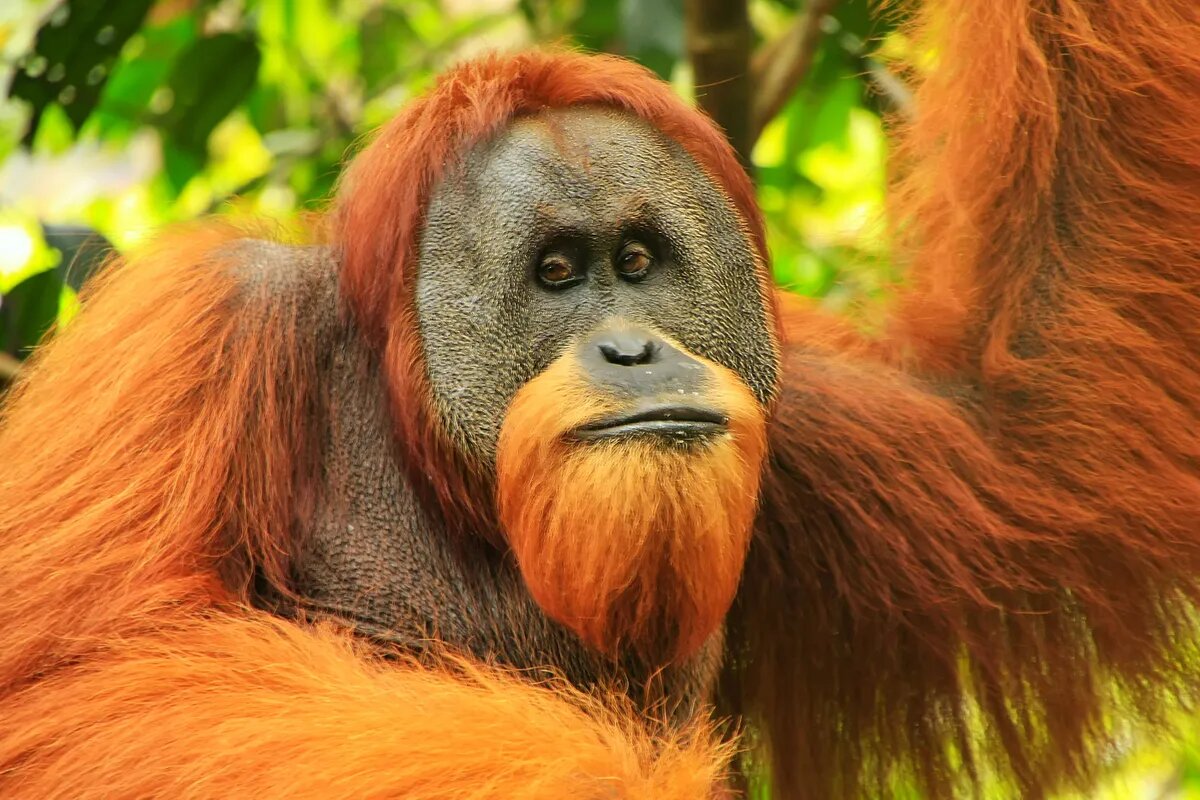
- Sumatran Orangutan (Pongo abelii): Found exclusively in the rainforests of Sumatra, Indonesia, the Sumatran Orangutan is critically endangered due to habitat loss caused by palm oil plantations and illegal logging. There are estimated to be less than 14,000 individuals left in the wild.
- Amur Leopard (Panthera pardus orientalis): With only about 100 individuals remaining in the wild, the Amur Leopard is one of the world’s most critically endangered big cats. Poaching, habitat loss, and declining prey populations are major threats to their survival.
- Vaquita (Phocoena sinus): The vaquita is a small porpoise endemic to the Gulf of California, Mexico. It is the most endangered marine mammal, with fewer than 10 individuals left in the wild. The main threat to its survival is accidental entanglement in fishing nets.
- Mountain Gorilla (Gorilla beringei beringei): The mountain gorilla, found in the forests of Central Africa, is severely endangered due to poaching, habitat destruction, and civil unrest. Currently, there are around 1,000 individuals remaining in the wild.
- Baiji (Lipotes vexillifer): Known as the “Goddess of the Yangtze,” the Baiji was a river dolphin native to the Yangtze River in China. Tragically, it is believed to be functionally extinct, primarily due to industrial pollution, habitat loss, and overfishing.
These are just a few examples of the many critically endangered mammals worldwide. Conserving these species requires a combination of efforts, including habitat preservation, strict anti-poaching measures, community engagement, and sustainable development practices.
By supporting organizations and initiatives that focus on protecting these vulnerable mammals and their habitats, we can contribute to their survival and ensure a healthier, more balanced planet for future generations.
The Most Endangered Birds
Birds play a vital role in ecosystems as pollinators, seed dispersers, and indicators of environmental health. Unfortunately, many bird species are facing significant threats that have led to their endangered status. Here are some of the most endangered birds:
- Hawaiian Crow (Corvus hawaiiensis): Also known as the ‘Alalā, the Hawaiian Crow is endemic to Hawaii and is considered critically endangered. Habitat loss, predation, and disease have contributed to its decline, with only about 200 individuals remaining in the wild.
- Spix’s Macaw (Cyanopsitta spixii): The Spix’s Macaw, native to Brazil, is one of the rarest parrot species in the world. Habitat loss and illegal capture for the pet trade have caused its population to plummet, with only a few known individuals left in captivity.
- California Condor (Gymnogyps californianus): The California Condor is one of the most critically endangered birds in North America. Habitat destruction, lead poisoning from ammunition, and collisions with power lines have pushed it to the brink of extinction. Thanks to intensive conservation efforts, the population has slightly increased, but there are still fewer than 500 individuals living in the wild.
- Spoon-billed Sandpiper (Calidris pygmaea): This small migratory bird, with its distinctive spoon-shaped bill, is critically endangered. Habitat loss in its breeding grounds and along its migration routes, as well as the hunting of shorebirds in some Asian countries, are major threats to its survival. It is estimated that fewer than 1,000 individuals remain.
- Philippine Eagle (Pithecophaga jefferyi): The Philippine Eagle is one of the largest and rarest raptors in the world. Habitat loss, hunting, and poaching have significantly impacted its population. With less than 800 individuals left in the wild, it is classified as critically endangered.
These examples highlight the urgent need for conservation efforts to protect endangered bird species. Preserving their habitats, implementing strict laws against illegal trade, and promoting sustainable land use practices are crucial steps towards their recovery.
By supporting organizations that focus on bird conservation, advocating for the protection of bird habitats, and practicing responsible bird-watching, we can contribute to the preservation of these remarkable creatures and their essential role in maintaining healthy ecosystems.
The Most Endangered Reptiles
Reptiles, including snakes, turtles, and lizards, are often overlooked in conservation efforts compared to mammals and birds. However, many reptile species face severe threats that have pushed them to the brink of extinction. Here are some of the most endangered reptiles:
- Siamese Crocodile (Crocodylus siamensis): The Siamese Crocodile is a critically endangered species found in Southeast Asia. Habitat loss due to deforestation, illegal hunting, and capture for the exotic pet trade have drastically reduced its population. There are estimated to be fewer than 1,000 Siamese Crocodiles left in the wild.
- Burmese Star Tortoise (Geochelone platynota): Native to Myanmar, the Burmese Star Tortoise is one of the rarest tortoise species in the world. Habitat destruction, poaching for the illegal pet trade, and traditional medicine have driven it to critically endangered status. Conservation efforts have helped stabilize the population, but it remains at risk.
- Angel Island Chuckwalla (Sauromalus hispidus angelensis): This chuckwalla species is found only on Angel Island, Mexico. Its limited range, coupled with habitat loss, predation by invasive species, and illegal collection for the reptile trade, has drastically diminished its population. It is listed as critically endangered and faces imminent extinction.
- Madagascar Ploughshare Tortoise (Astrochelys yniphora): The Ploughshare Tortoise, endemic to Madagascar, is one of the world’s rarest tortoises. Habitat loss, poaching, and illicit trade have dramatically reduced its population. With fewer than 500 individuals remaining, it is on the brink of extinction.
- Chinese Alligator (Alligator sinensis): The Chinese Alligator, only found in China, is one of the most endangered crocodile species. Habitat loss, pollution, and disturbance of nesting sites have severely impacted its population. It is estimated that fewer than 300 individuals are left in the wild.
Protecting and conserving these endangered reptiles is crucial for maintaining biodiversity and the ecological balance of their respective habitats. Efforts must focus on safeguarding their habitats, combating illegal trade, and promoting public awareness about the importance of reptiles in ecosystems.
By supporting organizations dedicated to reptile conservation, advocating for stronger legislation against illegal trade, and promoting responsible pet ownership, we can contribute to the survival of these remarkable reptile species and the preservation of their habitats.
The Most Endangered Amphibians
Amphibians, such as frogs, toads, and salamanders, are facing a global crisis, with a significant number of species on the verge of extinction. Amphibians play crucial roles in ecosystems as indicators of environmental health and as predators of insects and other invertebrates. Here are some of the most endangered amphibians:
- Panamanian Golden Frog (Atelopus zeteki): The Panamanian Golden Frog is an emblematic species of Panama and is considered critically endangered. Chytrid fungal disease, habitat loss, and pollution have caused a drastic decline in their population. In the wild, their numbers have dwindled to very few.
- Amsterdam Island Frog (Platypelis grandis): The Amsterdam Island Frog, endemic to the remote Amsterdam Island in the Indian Ocean, is critically endangered. Invasive species and habitat degradation pose significant threats to its survival. It is estimated that only a few individuals remain in the wild.
- Mountain Chicken (Leptodactylus fallax): Despite its name, the Mountain Chicken is not a chicken but a large frog found on Caribbean islands of Dominica and Montserrat. Habitat loss, chytrid fungus, and overhunting have caused a severe decline in their population. They now face extinction, with just a few hundred individuals remaining.
- Golden Mantella (Mantella aurantiaca): The Golden Mantella is a small, brightly colored frog found only in Madagascar. Habitat destruction, climate change, and the pet trade have contributed to its critically endangered status. It is estimated that fewer than 1,000 individuals are left in the wild.
- Harlequin Frog (Atelopus spp.): Harlequin Frogs, found in Central and South America, are a diverse group of amphibians facing severe threats. Habitat loss, climate change, and the spread of chytrid fungus have resulted in the decline and extinction of many species within this group.
Conservation efforts for amphibians are crucial for maintaining healthy ecosystems and preventing the loss of invaluable biodiversity. Mitigating the spread of infectious diseases, protecting their habitats, and promoting sustainable land and water management practices are essential steps in preserving these vulnerable creatures.
By supporting organizations dedicated to amphibian conservation, participating in citizen science projects, and advocating for habitat protection, we can contribute to the survival of these unique and threatened amphibian species, ensuring an amphibian-rich world for future generations.
The Most Endangered Fish
The world’s oceans, rivers, and lakes are home to a diverse array of fish species, but many of them are facing alarming population declines. Overfishing, habitat degradation, pollution, and climate change have severely impacted fish populations, pushing several species to the brink of extinction. Here are some of the most endangered fish species:
- Vaquita (Phocoena sinus): The Vaquita, a small porpoise found in the Gulf of California, is the world’s most endangered marine mammal but is included here due to its marine status. With fewer than 10 individuals remaining, mainly due to accidental entanglement in fishing nets, immediate action is required to prevent its extinction.
- Devil’s Hole Pupfish (Cyprinodon diabolis): The Devil’s Hole Pupfish is endemic to a single geothermal pool in Nevada, USA. Its population has been reduced to a few dozen individuals due to habitat degradation, changes in water chemistry, and disruptions to the natural water flow.
- Chinese Paddlefish (Psephurus gladius): The Chinese Paddlefish, known as “the giant panda of the river,” was once one of the largest freshwater fish in the world. However, it is now believed to be functionally extinct due to overfishing, habitat degradation, and dam construction along the Yangtze River in China.
- Giant Mekong Catfish (Pangasianodon gigas): This colossal freshwater fish, found in the Mekong River basin, is critically endangered. Habitat loss, dam construction, and overfishing pose grave threats to its survival. It is estimated that only a few hundred individuals remain in the wild.
- Humphead Wrasse (Cheilinus undulatus): The Humphead Wrasse, also known as the Napoleon Wrasse, is an iconic reef fish found in the Indo-Pacific region. Overfishing for the live reef food fish trade and destruction of coral reef habitats have led to its critically endangered status.
Protecting endangered fish species requires a comprehensive approach. Conservation measures should focus on implementing sustainable fishing practices, establishing marine protected areas, reducing pollution and habitat destruction, and promoting responsible seafood consumption.
By supporting sustainable fishing initiatives, advocating for stronger regulations on the trade of endangered fish species, and raising awareness about the importance of marine conservation, we can help preserve the incredible diversity of fish species and the health of our aquatic ecosystems.
The Most Endangered Invertebrates
Invertebrates make up the majority of animal species on Earth and play essential roles in various ecosystems. Unfortunately, many invertebrate species are facing dramatic declines and are teetering on the edge of extinction. Here are some of the most endangered invertebrates:
- Ivory-Billed Woodpecker (Campephilus principalis): The Ivory-Billed Woodpecker is considered one of the most critically endangered bird species. Native to the southeastern United States, this magnificent woodpecker is believed to be extinct due to habitat loss and intensive hunting.
- Lord Howe Island Stick Insect (Dryococelus australis): The Lord Howe Island Stick Insect, once thought to be extinct, was rediscovered on a remote island off Australia. It is one of the rarest insects on the planet, with a population of around 40 individuals, due to habitat loss and predation by introduced species.
- Mediterranean Monk Seal (Monachus monachus): The Mediterranean Monk Seal is one of the most endangered marine mammals. With a population estimated at less than 700 individuals, it faces threats such as habitat degradation, pollution, and human disturbance.
- Palos Verdes Blue Butterfly (Glaucopsyche lygdamus palosverdesensis): The Palos Verdes Blue Butterfly, endemic to California, USA, is one of the rarest butterflies in the world. Urbanization, habitat loss, and invasive species have contributed to its critically endangered status.
- Partula Snails (Partula spp.): Partula snails, native to Pacific islands such as French Polynesia, have undergone substantial declines due to habitat destruction and predation by introduced predators. Many species within this genus are now extinct in the wild.
Protecting endangered invertebrates requires targeted conservation efforts. Preservation of their habitats, restoration of degraded ecosystems, and measures to control invasive species are critical for their survival.
By supporting initiatives that focus on invertebrate conservation, minimizing the use of pesticides and herbicides, and promoting sustainable land management practices, we can contribute to preserving these remarkable and often overlooked invertebrate species and the ecological balance they uphold.
The Most Endangered Plants
Plants are the backbone of ecosystems, providing food, oxygen, and habitat for countless other organisms. However, numerous plant species are currently facing the threat of extinction due to habitat loss, climate change, illegal trade, and unsustainable land use practices. Here are some of the most endangered plants:
- Rafflesia arnoldii: Often referred to as the “corpse flower,” Rafflesia arnoldii is one of the rarest and largest flowers in the world. Found in Southeast Asia, it is threatened by habitat destruction and overharvesting.
- Baobab Trees (Adansonia spp.): Baobabs are iconic trees found primarily in Africa, Madagascar, and Australia. These unique trees are under threat due to deforestation, climate change, and illegal logging.
- Ghost Orchid (Dendrophylax lindenii): The Ghost Orchid, known for its ethereal beauty, is native to Florida, USA, and is critically endangered. Habitat loss, illegal collection, and disruption of its pollinators have contributed to its decline.
- Sumatran Titan Arum (Amorphophallus titanium): Known as the “corpse flower,” the Sumatran Titan Arum is a rare and fascinating plant found in Sumatra, Indonesia. Habitat destruction threatens its survival, and it is also a target for illegal collection.
- Eastern Prairie Fringed Orchid (Platanthera leucophaea): The Eastern Prairie Fringed Orchid, native to North America, is critically endangered due to habitat loss, agriculture, and urban development.
Preserving endangered plants is crucial for maintaining biodiversity and the health of our ecosystems. Conservation efforts should focus on protecting their habitats, engaging local communities in sustainable land management practices, and enforcing laws against illegal plant trade.
By supporting botanical gardens, participating in habitat restoration projects, and promoting sustainable practices such as responsible plant sourcing and cultivation, we can contribute to the preservation of these remarkable plant species and the rich tapestry of life on Earth.
Conservation Efforts to Help Endangered Species
To address the urgent need for species conservation, numerous organizations, governments, and individuals are working tirelessly to protect endangered species and their habitats. Here are some of the key conservation efforts in place:
- Habitat Protection: Preserving and restoring habitats is crucial for the survival of endangered species. Protected areas, national parks, and wildlife sanctuaries serve as havens for vulnerable species, shielding them from habitat destruction and providing essential resources for their survival.
- Anti-poaching Initiatives: Illegal wildlife trade is a significant driver of species decline. Anti-poaching efforts involve deploying rangers, implementing surveillance technologies, and raising awareness to combat illegal hunting, poaching, and the trade of endangered species and their parts.
- Conservation Breeding Programs: Captive breeding programs play a vital role in preventing the extinction of endangered species. These programs involve breeding and reintroducing individuals back into the wild to boost population numbers and genetic diversity.
- Community Engagement: Engaging local communities is crucial for successful conservation efforts. Involving communities in sustainable resource management, providing alternative livelihoods, educating about the value of biodiversity, and promoting eco-tourism can help foster support and protect endangered species.
- Research and Monitoring: Monitoring the populations and habitats of endangered species is essential for understanding their needs and implementing effective conservation strategies. Research complements conservation efforts by providing insights into species behavior, threats, and potential solutions.
- Policy and Legislation: Strong policies and legislation are instrumental in protecting endangered species. Governments play a critical role in enacting laws and regulations that combat habitat destruction, illegal trade, and unsustainable practices.
These conservation efforts, along with collaborations between organizations, governments, and individuals, are crucial for the survival of endangered species. However, more needs to be done to address the systemic challenges and root causes of species decline.
To support these initiatives, individuals can donate to reputable conservation organizations, volunteer for fieldwork or local community projects, reduce their ecological footprint, practice responsible tourism, and raise awareness about endangered species and the importance of biodiversity conservation.
Collective action is necessary to ensure the long-term survival of endangered species and to preserve the magnificence and diversity of life on our planet for future generations.
How You Can Get Involved
Every individual can contribute to the conservation of endangered species and make a positive impact on the environment. Here are some ways you can get involved:
- Support Conservation Organizations: Research and donate to reputable conservation organizations working to protect endangered species. Your contributions can help fund critical conservation initiatives, fieldwork, and research efforts.
- Get Educated: Learn about endangered species and the threats they face. Stay informed about environmental issues and the importance of biodiversity conservation. Knowledge empowers you to take informed action and advocate for change.
- Practice Sustainable Living: Reduce your ecological footprint by making sustainable choices in your daily life. Conserve water, reduce energy consumption, recycle and reduce waste, and choose sustainable and responsibly sourced products.
- Support Sustainable Agriculture and Fishing: Choose products that are produced sustainably, whether it’s organic and locally grown food or sustainably caught seafood. Avoid products that contribute to deforestation or habitat destruction.
- Advocate for Stronger Environmental Policies: Stay engaged with local, national, and international environmental policies. Contact your elected representatives, join environmental advocacy groups, and raise your voice for stronger legislation and policies to protect endangered species and their habitats.
- Engage in Citizen Science: Participate in citizen science projects that contribute to species monitoring and conservation efforts. These projects often rely on data collected by volunteers to better understand species distributions, population trends, and behavior.
- Support Sustainable Tourism: When traveling, choose eco-friendly accommodations and tour operators that prioritize wildlife conservation and respect for natural habitats. Avoid activities that exploit or harm endangered species.
- Promote Awareness: Use your voice to raise awareness about endangered species and the importance of biodiversity. Share information on social media, start conversations with friends and family, and encourage others to join in conservation efforts.
- Get Involved Locally: Engage with local conservation initiatives, join community clean-up events, participate in habitat restoration projects, or volunteer at nature reserves or wildlife rehabilitation centers.
Remember, even small actions can collectively make a significant difference in protecting endangered species and preserving our natural heritage. By being mindful of our impact on the environment and actively participating in conservation efforts, we can foster a sustainable future for all species and the planet we call home.
Conclusion
The plight of endangered species is a critical issue that requires urgent attention and collective action. As human activities continue to disrupt and degrade the natural world, countless species face the threat of extinction. The loss of these species not only diminishes the beauty and richness of our planet but also disrupts the delicate balance of ecosystems on which we depend.
However, there is hope. Conservation efforts, scientific research, and the dedication of individuals and organizations around the world are working towards the protection and recovery of endangered species. By preserving habitats, combating illegal trade, implementing sustainable practices, and raising awareness, we can make a positive impact on the future of Earth’s biodiversity.
Each and every one of us has a role to play in safeguarding endangered species. Whether through supporting conservation organizations, practicing sustainable living, advocating for stronger environmental policies, or participating in citizen science projects, our actions matter.
It is through our collective efforts that we can create a world where endangered species are not merely surviving but thriving. By protecting the incredible diversity of life on Earth, we are securing a healthier and more sustainable future for ourselves and future generations.
Let us stand together as stewards of the natural world, embracing the responsibility to protect, conserve, and coexist harmoniously with all species. By doing so, we can ensure a world where endangered species are not just a memory but a vibrant and integral part of our shared planet.
